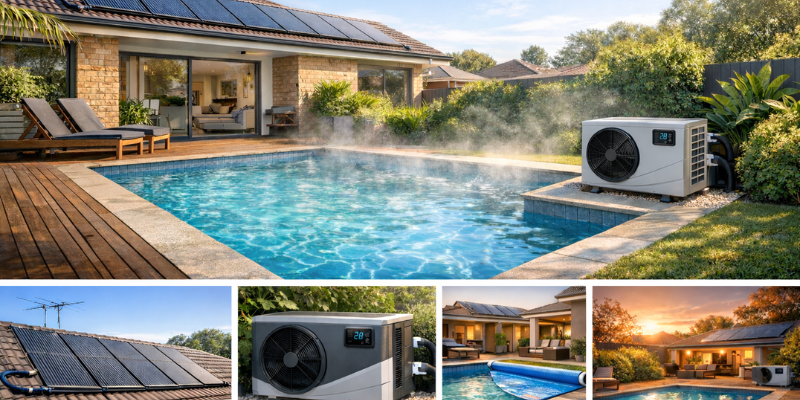





If you want to enjoy a warm and comfortable swimming pool year-round, installing a pool heat pump is one of the most energy-efficient solutions available. A pool heat pump uses ambient air to heat your pool water, making it significantly cheaper to run than gas or propane heaters.
For homeowners across Sydney and Australia, pool heat pumps are popular because they provide consistent heating, lower operating costs, and long-term energy savings.
This guide explains everything you need to know before installing a pool heat pump, including costs, efficiency, warranty considerations, and how to choose the right system.
What Is a Pool Heat Pump?
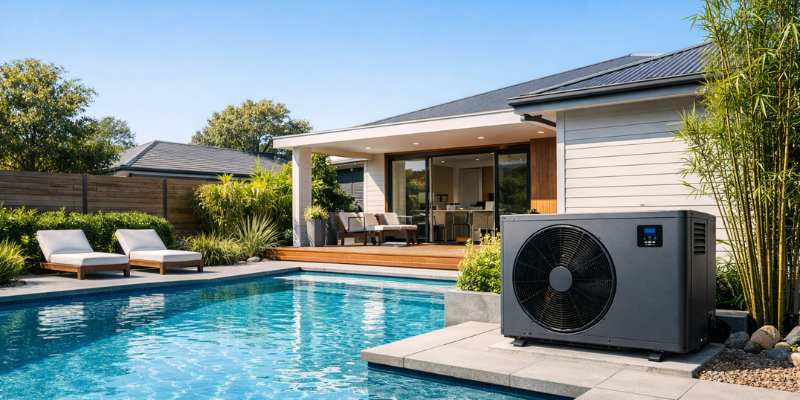
A pool heat pump is a system that heats swimming pool water by extracting heat from surrounding air and transferring it into your pool through a heat exchanger.
Key Benefits:
-
Lower operating cost than gas heating
-
Energy efficient performance
-
Consistent water temperature
-
Suitable for Australian climates
-
Long equipment lifespan
Pool heat pumps are ideal for regions like Sydney, where temperatures vary between mild winters and warm summers.
Why Pool Heat Pumps Are Popular in Sydney Homes
Sydney’s climate makes heat pumps highly effective because they perform best in moderate to warm environments.
They are ideal for:
-
Year-round pool use
-
Homes with frequent pool usage
-
Energy-efficient heating
-
Lower long-term running costs
Some modern systems also offer cooling features to reduce water temperature during extremely hot summer days.
Types of Pool Heating Systems Available
Understanding the available heating options helps you choose the right system.
1. Air Source Pool Heat Pumps
-
Extract heat from air
-
Most common option
-
Best for Sydney climate
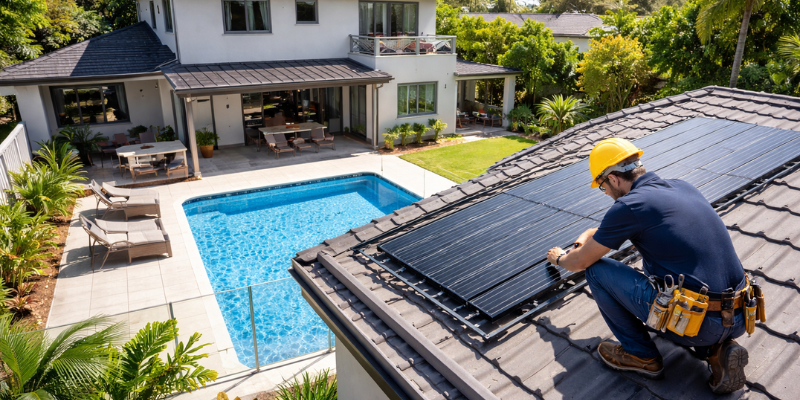
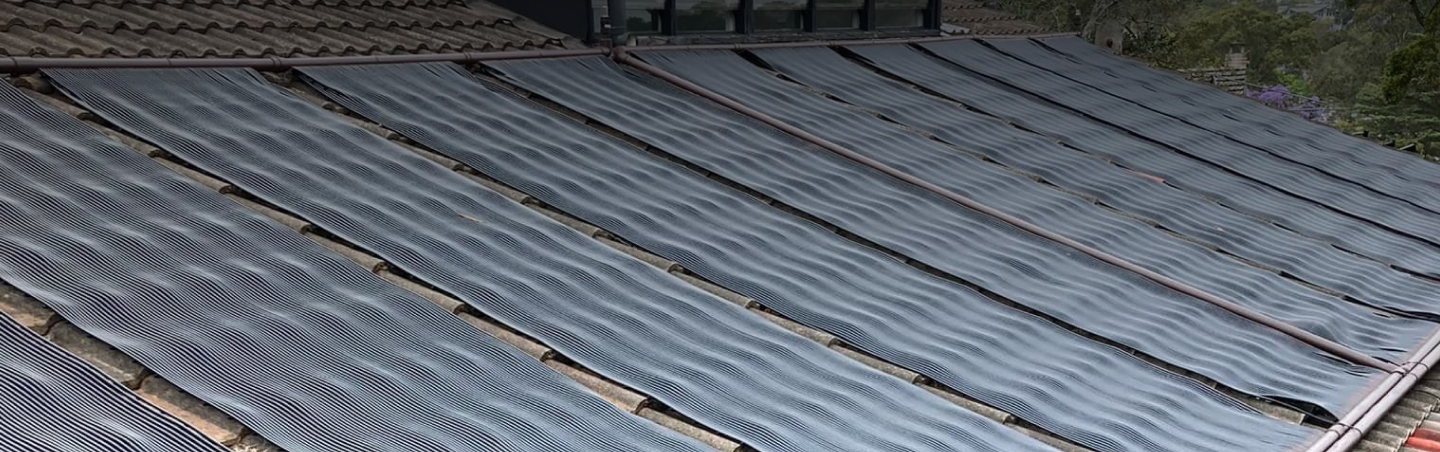
2. Solar Pool Heating Systems
-
Uses solar collectors
-
Lowest running cost
-
Weather dependent
3. Geothermal Pool Heating
-
Uses ground or water temperature
-
Works well in cold climates
-
Higher installation cost
For most Australian households, air source and solar heating systems provide the best balance of cost and performance.
Things You Must Know Before Installing a Pool Heat Pump
Check the Warranty
Always review warranty coverage before purchasing.
Look for:
-
Heat exchanger warranty
-
Compressor warranty
-
Parts and labour coverage
-
Corrosion protection period
Typically:
-
2 years on parts and labour
-
Up to 5 years on compressors
-
5–10 years or lifetime on heat exchangers
Longer warranties indicate higher product quality and durability.
Heat Exchanger Material Matters
The heat exchanger transfers energy to warm your pool water.
Modern systems use:
✔ Titanium heat exchangers — corrosion resistant and durable
✔ Cupro-nickel — strong but less resistant to chemicals
Titanium models are recommended for long-term performance in Australian pool conditions.
Energy Efficiency (Coefficient of Performance – COP)
COP measures how efficiently a pool heat pump operates.
-
COP range: 3.0–7.0
-
Higher COP = lower running costs
-
300–700% efficiency possible
A cheaper unit with low COP may cost more to run over time.
Choosing a Reliable Pool Heating Specialist
The pool heating installer you choose affects system performance and lifespan.
Always check:
-
Experience and industry reputation
-
Customer reviews
-
After-sales support
-
Installation warranty
-
Ongoing maintenance services
Working with experienced professionals ensures your pool heating system operates efficiently for years.
Why Choose Thermo Pools for Pool Heat Pump Installation
With over 40 years of industry experience, Thermo Pools provides professional pool heating solutions across Sydney and surrounding areas.
What You Get:
-
Expert system recommendations
-
High-quality equipment
-
Wind and storm-resistant systems
-
Professional installation
-
Product warranties
-
Ongoing support and maintenance
Their specialists help you select the right pool heating solution based on your pool size, usage, and budget.
How Long Do Pool Heat Pumps Last?
A well-maintained pool heat pump typically lasts:
-
10–15 years on average
-
Longer with regular servicing
-
Depends on usage and maintenance
Professional installation and servicing significantly extend equipment life.
Learn more- How to Make Your Pool Heater Last Longer and Perform Better?
Are Pool Heat Pumps Worth the Investment?
Yes — pool heat pumps provide:
-
Lower operating costs
-
Consistent heating
-
Energy efficiency
-
Increased property value
-
Long-term savings
For frequent pool users, the long-term savings often outweigh installation costs.
Frequently Asked Questions
Do pool heat pumps work in winter?
Yes. Pool heat pumps operate effectively in mild winter conditions like those in Sydney, though efficiency may reduce in very low temperatures.
How much electricity does a pool heat pump use?
It typically uses 70–80% less energy than gas heaters due to heat transfer technology.
What size pool heat pump do I need?
It depends on pool size, usage frequency, and climate. Professional assessment ensures correct sizing.
How long does installation take?
Most installations take one day, depending on site conditions and system type.
Final Thoughts
Installing a pool heat pump is one of the most cost-effective ways to maintain a comfortable swimming pool temperature year-round. Choosing the right system, understanding efficiency ratings, and working with experienced professionals ensures maximum performance and long-term savings.
Also Read: HOW DO I CHOOSE THE BEST SWIMMING POOL HEATER FOR MY NEEDS?
For expert advice, installation, or servicing, contact Thermo Pools today.
📞 Call: 02 8850 4030
⭐ Check Google Reviews or speak with a pool heating specialist.