





Spring is here, and that means longer days, blooming gardens, and the return of outdoor living. But even as the days warm up, Sydney’s spring nights can still bring a bit of a chill. For pool owners, this is the perfect time to prepare your swimming pool heater. Whether you rely on a pool heat pump, solar pool heating, or a gas heater, regular maintenance can make all the difference between a relaxing swim and a lukewarm disappointment.
At Thermopools, we know how much your pool heater means to your home and lifestyle. That’s why we’ve put together a simple, step-by-step guide to help you get your system running smoothly before the season’s first cool night swim.
1. Inspect Your Pool Heating System Early
Before the first cold evening hits, give your pool heating system a full check. It’s easier (and cheaper) to spot small issues early than to wait until your system stops heating altogether.
Start by clearing away any debris, leaves, or dust from around your pool heater. These can block airflow and reduce performance. Then, inspect visible components like wiring, pipes, and fittings for any signs of wear, leaks, or corrosion.
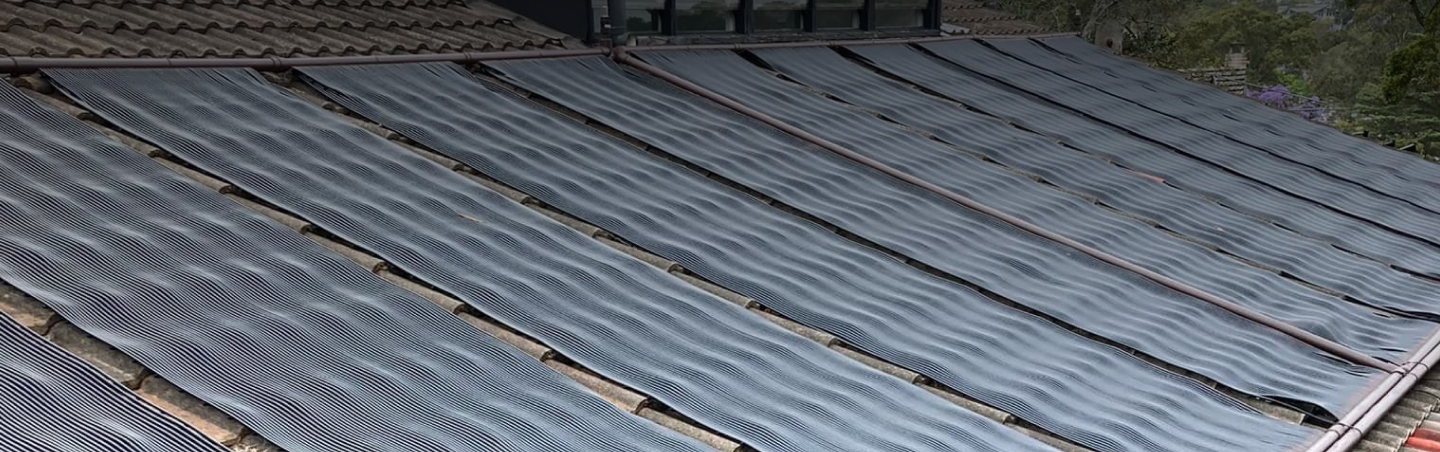
If you’re using solar pool heating panels, check the roof for any obstructions such as branches, dirt, or bird nests. Clear them off to ensure maximum sunlight exposure. For pool heat pumps, confirm that there’s at least 50 cm of clearance around the unit to allow for proper ventilation.
2. Clean the Filter and Check the Water Flow
Clean, unrestricted water flow is vital for effective heating. Over time, debris builds up in your pool filter, restricting flow and forcing your swimming pool heater to work harder.
Backwash or clean your pool filter according to the manufacturer’s instructions. For cartridge filters, rinse them with a hose to remove fine particles. After cleaning, check your water pressure gauge; if it’s still reading high, it might be time for a filter replacement.
Proper water flow ensures that heat transfers evenly through your system, improving efficiency and extending its lifespan.
3. Test the Heater Before You Need It
Once everything looks clean and clear, it’s time for a quick test. Turn on your pool heater and let it run for about 20–30 minutes.
Check that it reaches the desired temperature and cycles off properly once it does. Listen for any unusual noises or vibrations; these could signal an airflow issue, fan obstruction, or motor wear.
If you’re using a pool heat pump, make sure it’s drawing air in freely and expelling warm air out the top or side vents. For solar pool heating systems, confirm that the circulation pump is working and water is flowing evenly through the panels.
If anything seems off, it’s best to call a professional technician for a quick service. Thermopools’ technicians are trained to handle swimming pool heater repairs, ensuring your system runs at full efficiency before spring nights get cooler.
4. Inspect Electrical Connections and Controls
Heaters and heat pumps depend on stable electrical connections. Loose wires or worn connections can cause performance problems or even short circuits.
Check the wiring, circuit breakers, and control panel for signs of damage. If you notice corrosion or burnt marks, call a qualified electrician; don’t try to fix it yourself.
Modern systems from Thermopools come with smart controls and timers that make operation simple. Set your preferred temperature and schedule so that the pool is warm when you need it, without wasting energy.
5. Clean Around Solar Panels
If your pool uses a solar pool heating system, your roof panels need attention, too. Dust, leaves, and bird droppings can reduce their ability to absorb heat.
Rinse the panels with clean water, ideally using a soft brush or low-pressure hose. Avoid harsh chemicals, as they can damage the panel surface. Also, check for any loose fittings or leaks in the system.
Spring cleaning your solar setup will help your pool stay warmer while keeping energy costs low throughout the season.
6. Balance the Pool Water
Water chemistry doesn’t just affect swimmers; it affects your heating system, too. Unbalanced pH or high calcium levels can cause scale build-up inside heaters and heat exchangers, reducing their efficiency.
Test your water for pH, alkalinity, and calcium hardness. Aim for a pH between 7.2 and 7.8. If needed, adjust your chemicals before running your heater regularly.
Maintaining clean and balanced water also prevents corrosion, which can damage internal heater components.
7. Boost Efficiency with Thermorush Technology
If you’re looking to make your swimming pool heating system even more efficient, consider upgrading to Thermorush, Thermopools’ advanced solar heating innovation.
Unlike traditional systems that push water through all panels at once, Thermorush uses sequential panel heating, sending water through each solar panel one at a time. This design allows the water to absorb heat progressively, resulting in up to 80% higher outlet water temperature and 70% lower running costs compared to standard systems.
For pool owners who want faster heating, lower energy bills, and an extended swimming season, Thermorush is a smart, long-term investment that redefines what solar heating can achieve in Australian conditions.
8. Save Energy While Staying Warm
Springtime heating doesn’t have to mean higher bills. Here are some easy energy-saving tips:
- Use a pool cover: It reduces heat loss overnight by up to 50%.
- Run the heater during the day: When ambient air is warmer, your heater or heat pump operates more efficiently.
- Lower your set temperature: Even a 1°C drop can reduce energy use noticeably.
- Schedule maintenance: A clean and serviced system uses less power.
If you’re considering upgrading your system, Thermopools offers a range of energy-efficient swimming pool heaters and pool heat pumps in Sydney designed to deliver powerful heating at lower running costs.
9. Call a Professional for a Spring Check-Up
Even if everything seems to be running fine, a professional service at the start of spring can save you from mid-season issues. Experts can identify wear and tear, check refrigerant levels, and clean internal components that are not easily accessible.
Thermopools provides trusted swimming pool heater installation, maintenance, and repair services across Sydney. Their specialists ensure your system is tuned, safe, and ready for months of comfortable swimming.
Final Thoughts
Getting your pool heater ready for spring doesn’t take much, just a little time and care. Once your system is clean, tested, and serviced, you can look forward to warm, relaxing swims well into the cooler nights.
So before Sydney’s spring evenings start to chill, give your swimming pool heating system the attention it deserves. Whether it’s solar, gas, or a heat pump, Thermopools can help you get it performing at its best.
Call Thermo Pools today on (02) 8850 4030 or check out our ⭐⭐⭐⭐⭐ Google Reviews to see why Sydney pool owners trust us.