



Solar pool heating and heat pumps can both extend the swimming season, but they suit different properties and expectations. Solar uses available sunlight through roof-mounted collectors. A heat pump uses electricity to transfer heat from the air and offers more direct temperature control.
The better option depends on roof space, climate, desired temperature, swimming schedule, budget and whether consistent heating matters more than low direct energy use.
How Solar Pool Heating Works
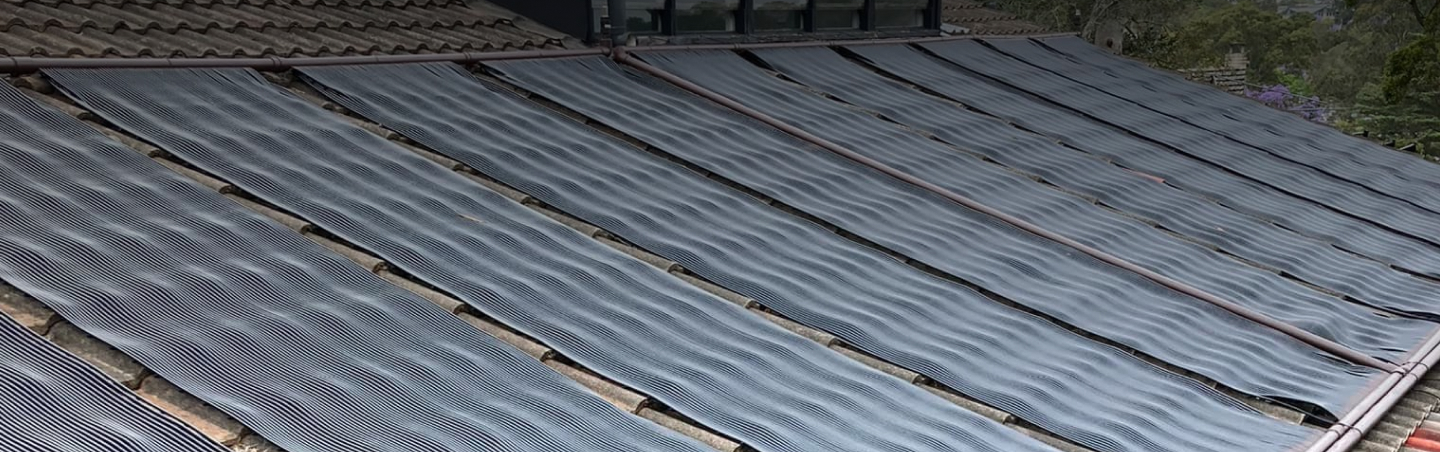
Filtered pool water circulates through solar collectors and returns warmer when useful solar energy is available. Performance depends on collector area, roof exposure, weather, water flow and pool heat loss.
Solar is commonly selected for seasonal swimming and low ongoing heating-energy use. It needs suitable collector space and cannot provide the same control in cloudy or cold conditions as a powered heater.
How a Pool Heat Pump Works
A heat pump extracts heat from the surrounding air and transfers it to the pool water. It uses electricity, but can produce more heat energy than the electricity it consumes because it moves existing heat rather than creating all heat directly.
Actual efficiency changes with air temperature, humidity, water temperature, equipment sizing and airflow. Compare products using test conditions relevant to the property.

Solar vs Heat Pump Comparison
Upfront installation
Solar cost depends on collector area, roof access, pipework and controls. Heat-pump cost depends on capacity, equipment location, plumbing, electrical supply and installation requirements. Obtain like-for-like quotes that clearly state inclusions.
Running cost
Solar normally uses electricity for circulation and controls while relying on solar energy for heating. A heat pump consumes electricity whenever it operates. Review the pool-heating running-cost guide for a calculation method based on runtime and tariffs.
Temperature control
A heat pump can normally maintain a selected temperature more consistently within its operating limits. Solar output follows available sunlight and is better described as weather-dependent seasonal heating.
Heating speed
Heating speed depends on system capacity, weather, starting temperature and heat loss. Gas is generally chosen where rapid heating is essential. Do not rely on an unqualified promise that one system will always heat faster.
Roof and equipment space
Solar requires suitable collector area and pipe routes. A heat pump needs ground-level space with airflow, drainage, service access and attention to noise. Properties with limited roof space may favour a heat pump.
Weather and swimming season
Solar performs best when useful sunlight is available. A heat pump can operate through a wider range of conditions, although efficiency normally falls in colder air. The desired months of use should guide the choice.
Maintenance and lifespan
Both systems need correct water chemistry, reliable flow and periodic inspection. Solar systems may need collector, pipe or controller repairs; heat pumps contain fans, coils, refrigeration components and electronics. Lifespan depends on product, installation, environment and maintenance.
Which System Suits Different Pool Owners?
Solar may suit you if
- You have suitable roof or mounting space.
- You mainly swim through warmer months.
- Low direct heating-energy use is a priority.
- Weather-dependent temperature is acceptable.
A heat pump may suit you if
- You want more consistent temperature control.
- The roof is unsuitable for collectors.
- There is a suitable ventilated equipment location.
- You accept electricity use in exchange for broader operating conditions.
Can Solar and a Heat Pump Be Combined?
Some properties use more than one heating method, but a combined design adds equipment, controls and complexity. The benefit depends on the pool, desired temperature, season and existing equipment. It should be assessed as one integrated system rather than assembled without a control plan.

Questions to Ask Before Choosing
- Which months do we want to swim?
- Do we need a guaranteed target temperature or seasonal warming?
- Is the roof suitable for the required collector area?
- Is there a suitable heat-pump location with airflow and acceptable noise?
- What operating assumptions support the cost estimate?
- What maintenance and warranties apply?
Frequently Asked Questions
Is solar pool heating cheaper to run than a heat pump?
Solar often has lower direct heating-energy use, but pumps and controls still use electricity. Heat-pump cost depends on efficiency, runtime and tariffs. Compare both for the same swimming goal.
Can a heat pump work in cloudy weather?
Yes, because it takes heat from the air rather than direct sunlight. Capacity and efficiency still change with ambient conditions.
Which system is better for winter?
A suitably selected heat pump normally offers more control in cool or cloudy conditions. Actual winter performance depends on the product’s operating range, pool heat loss and climate.
Choose the Right Heating System
Use the solar pool heating buyer guide to prepare for a property assessment, then contact Thermo Pools to compare a solar design with an appropriately selected heat pump.